Professional Learning Communities Transform Teacher Practice
Addressing systemic challenges that have long plagued Nigerian education including isolated teaching practice where teachers work in silos without peer support, outdated pedagogical methods perpetuated through lack of exposure to innovations, absent continuous professional development beyond initial training, values deficit affecting character formation and civic responsibility, geographic isolation limiting access to professional networks, and inadequate peer support systems, T_CEIPEC developed and implemented a comprehensive Professional Learning Communities (PLC) model transforming the landscape of teacher professional development in Plateau State.

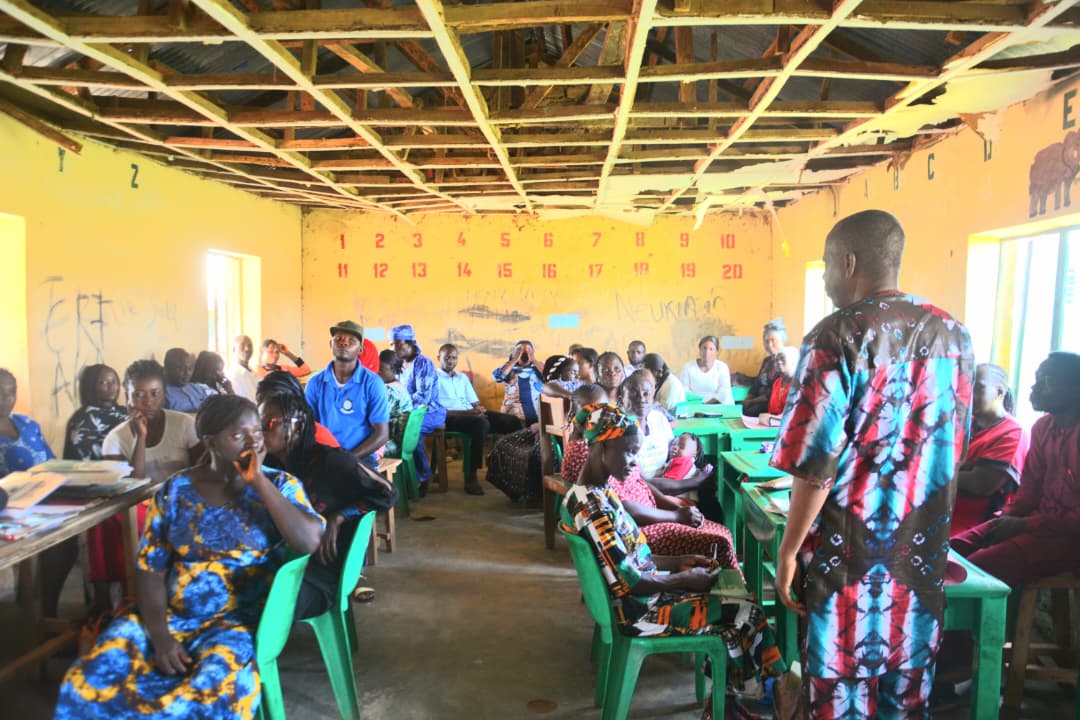
This innovative, integrated framework comprises six interconnected branches working cohesively for holistic teacher development. School Mentoring Clusters (SMC) facilitate bi-monthly inter-school collaborations through eight functional clusters where teachers from different schools share experiences, observe best practices, and solve common challenges together. Teacher Mentoring Circles (TMC) organize weekly school-based meetings across 14 schools engaging 291 teachers in continuous reflection on practice, peer feedback, and collaborative lesson planning. Values Clubs promote character development, ethical leadership, and civic responsibility among students while modeling these principles for teachers. STEM Clubs foster hands-on science, technology, engineering, and mathematics learning experiences that enhance both student and teacher competencies. Sports Clubs encourage physical development, teamwork, and healthy lifestyles. Structured Classroom Observation provides regular peer feedback opportunities where teachers observe colleagues, identify strengths, and suggest improvements in supportive environments. The Online Community connects over 250 teachers via WhatsApp and other platforms for continuous knowledge sharing, resource exchange, problem-solving, and mutual encouragement beyond physical meetings.

This integrated PLC framework has fundamentally transformed isolated teachers into collaborative professionals who continuously learn, innovate, and improve their practice through sustained peer learning where teachers gain new ideas and validate approaches through colleague interactions, ongoing mentoring providing regular support and guidance, reflective teaching practice with structured opportunities to examine and improve instruction, collective problem-solving leveraging group wisdom for addressing challenges, and shared accountability where teachers support each other’s growth and student success.

Measured outcomes demonstrate the PLC model’s remarkable impact with 70% of participating teachers achieving proficiency in student-centered teaching methods, enhanced learning experiences for over 3,500 students across cluster schools, significant improvements in student engagement and learning outcomes, creation of self-sustaining systems for continuous professional growth requiring minimal external support, development of teacher leadership with many PLC participants now mentoring others, and strengthened school-community relationships through Values Clubs and community engagement. The PLC model has attracted national attention as a scalable, cost-effective approach to sustainable teacher professional development, with several states expressing interest in replicating T_CEIPEC’s framework.